How to Find Out if Your Husband Is on Dating Sites (2026 Guide)

Content Marketer
Think your husband is on Tinder or dating apps? Here's how to check discreetly, free methods, tools, and what to do if you find his profile.
The digital dating landscape continues to evolve rapidly.
It isn't as rare as you might hope. In a 2025 U.S. survey by the Institute for Family Studies and YouGov, 11% of married adults under 40 said they were currently using a dating app or site: 18% of married men and 6% of married women.
For anyone asking“How can I find dating profiles of my husband?”or searching for tools like a Tinder finder or Tinder profile search, staying informed about platform changes and search strategies is essential.
In this comprehensive guide, we’ll explore the structure of modern dating apps, red flags in digital behaviour, practical and ethical investigation techniques, communication strategies, and ways to move forward constructively.
By the end, you’ll have a clear roadmap whether you choose to search for dating profiles, confront your spouse, or work on rebuilding trust.
Understanding Today’s Dating App Ecosystem
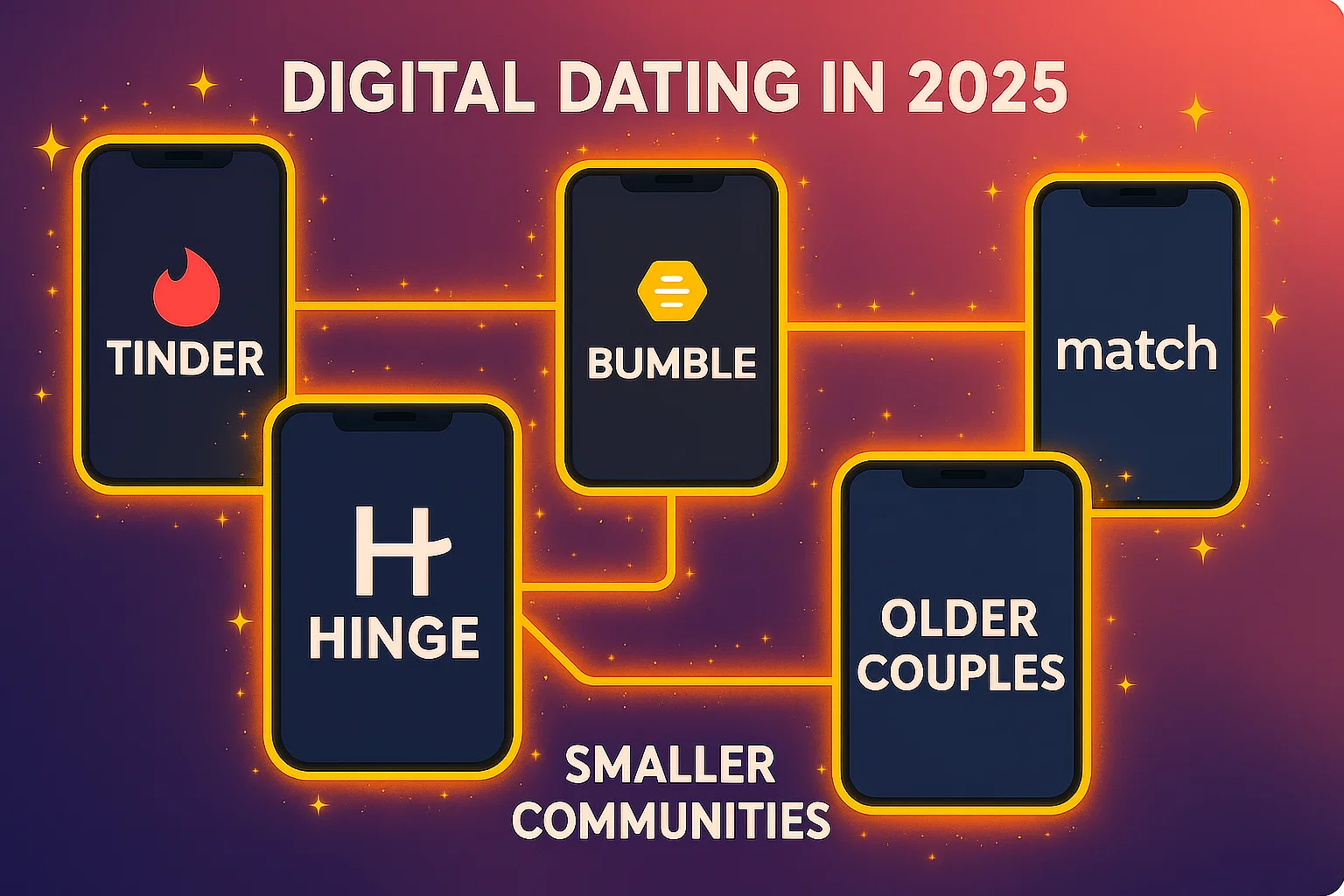
Each app caters to unique demographics and relationship goals:
- Tinder:Still the most popular, especially for under 35s;
- Bumble: Popular among women under 40; empowers women to initiate conversations.
- Hinge:Marketed as “designed to be deleted,” appealing to those seeking long-term relationships.
- Match/eHarmony: Used by adults 35+ focused on serious connections.
- Niche apps: Platforms for specific communities, interests, or lifestyles.
Why Premium Features Matter More Than Ever
Premium tools allow users to:
- Hide profiles (Incognito/Invisible modes).
- Restrict visibility to certain groups.
- Boost their presence in searches.
For those trying to find a spouse’s dating profile, this means you may need premium access yourself or a third-party search tool like CheatEye.ai. Keep in mind that no tool, ours included, can show a profile that’s hidden or in Incognito mode. Understanding the mechanics of premium visibility and hidden modes is crucial in 2026.
Recognizing Red Flags and Digital Clues
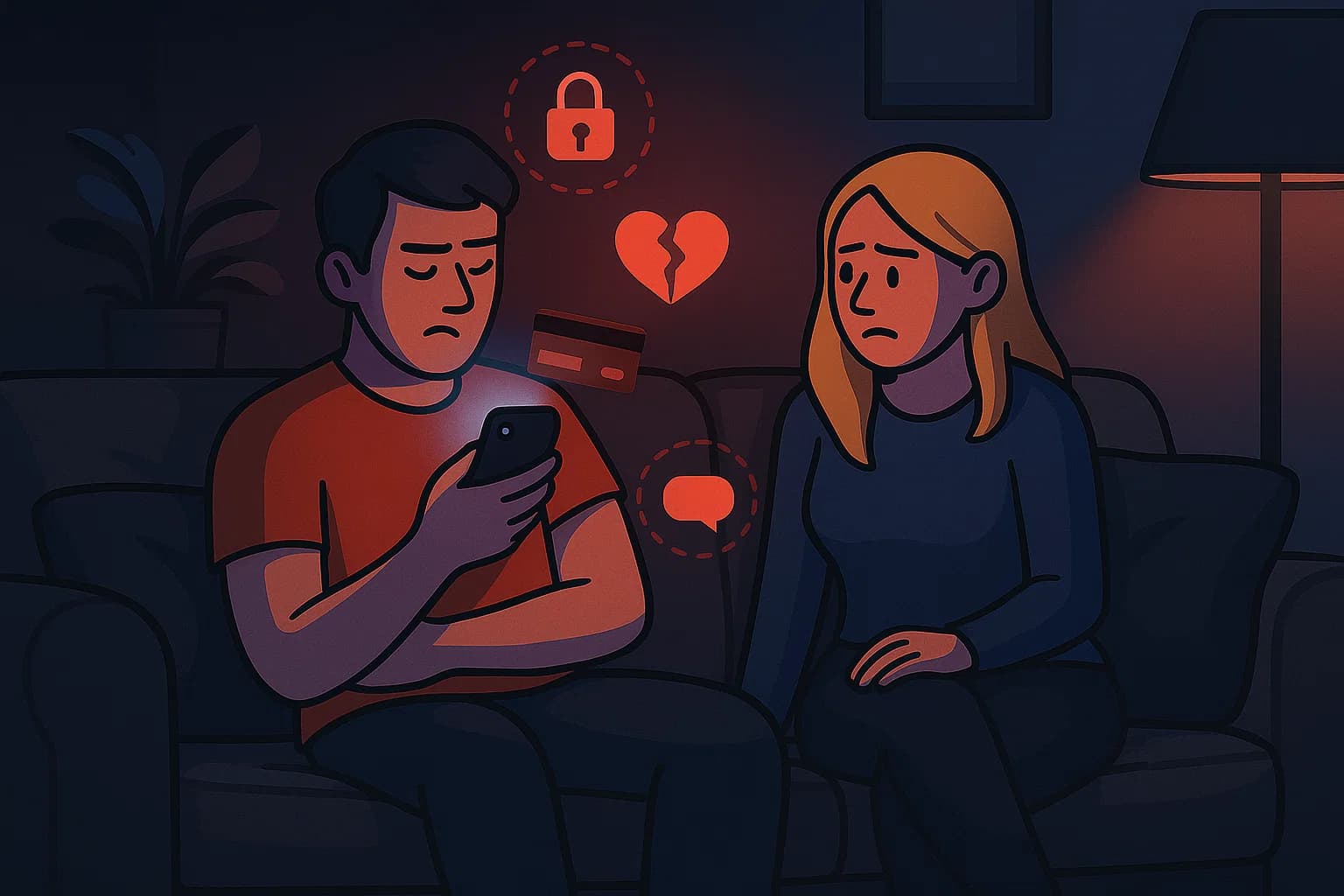
1. Technology Use
- Guarded phone behaviour (new passwords, secret devices).
- Excessive evening app use.
- Suspicious app downloads.
2. Emotional & Physical Distance
- Reduced affection and shared activities.
- Less interest in family activities.
- Frequent distraction or irritability.
3. Financial & Lifestyle Shifts
- Unexplained charges (e.g., dating subscriptions).
- New fitness/appearance habits.
- Irregular schedules or unexplained absences.
4. Communication Style Changes
- Short, evasive responses.
- Defensive reactions when asked simple questions.
- Shifting conversations away from personal topics.
👉 Want to dive deeper?
We’ve covered these warning signs in more detail in our full guide:How to Find Out if Your Husband Is Cheating.
This article offers expanded explanations, examples, and expert tips on what each red flag could mean.
One Question That Strips Away All Masks
👉“If I opened your last five chats right now, what would I see?”
This isn’t asked with anger or shouting. It’s askedcalmlya technique even private investigators use.
The real test isn’t in the words, but in thefirst three seconds after the question.
- ✅An honest mananswers immediately, with specifics:“Work, my brother, family, food delivery.”
- ❌A liarstalls:“Why?”,“Don’t you trust me?”,“Come on, don’t make a scene.”
Then the body takes over:
- Eyes glance away.
- Lips go dry.
- A strange smile appears.
Some people stay steady and give facts; others reach for humor, sarcasm, or sudden offense. Keep in mind this isn't a lie detector: everyone reacts differently under pressure, and an honest man can get defensive simply because he feels suspected. What the question does is pull the conversation back to things you can check.
📌Key rule:the question should always be about something verifiable (chats, expenses, locations).
- The honest one gives facts, easily confirmed.
- The liar creates theater:“What are you, FBI?”,“My phone died”,“You’re controlling me.”
Remember:transparency is chosen by those with nothing to hide.
Methods to Find Dating Profiles in 2025

Image Searches
UseGoogle Lens,TinEye, orBing Visual Searchto match photos across dating platforms. A reused profile photo can link personal accounts with dating profiles.
Username & Handle Tracking
Tools can check usernames across platforms. Many still reuse variations, making this a high-yield tactic. Enter nicknames, initials, or gaming handles into search tools.
Tinder Profile Search
Tinder doesn't allow direct name searches, so you either swipe and hope he shows up, or use a specialized Tinder finder like CheatEye’s AI-powered search. It looks for a specific person from their first name, age, gender, and city, with an optional photo for facial recognition. It doesn't search by email, phone number, or username.
Email & Digital Receipts
Shared accounts may reveal subscription notifications.
Stay within ethical and legal limits by only reviewing accounts you legitimately access. Advanced Investigation Techniques
Social Media Cross-Referencing
Some dating profiles link to an Instagram account (Tinder lets members connect Instagram and Spotify), and many people reuse the same photos and nicknames. Searching for overlaps can reveal hidden activity.
Best Apps to Find Dating Profiles in 2026
Comparison guide:
- CheatEye: AI-powered and discreet. It searches Tinder for a specific person from their first name, age, gender, and city, with an optional photo, and covers Bumble, Hinge, Happn, and OkCupid with an add-on. He isn't notified. A search costs 17.90 and the add-on 12.90 (USD, EUR, or GBP depending on your country).
- Social Catfish: Strong for reverse image searches.
- BeenVerified: Comprehensive background checks, based on U.S. public records.
- Spokeo: Good for phone/email lookups in U.S. records; outside the U.S. it usually finds little.
Legal and Ethical Boundaries
- Unauthorized access (hacking, spyware) remains illegal.
- Stick to open-source tools and ethical verification methods.
- Consult attorneys if considering divorce or legal separation.
Remember: protecting your integrity is as important as finding answers.
Taking Action and Finding Support
Processing Emotions
Therapists specializing in relationships can help you manage betrayal, anxiety, and decision-making.
Support Networks
- Support groups: Share experiences with others facing similar challenges.
- Trusted friends/family: Lean on your circle for grounding and strength.
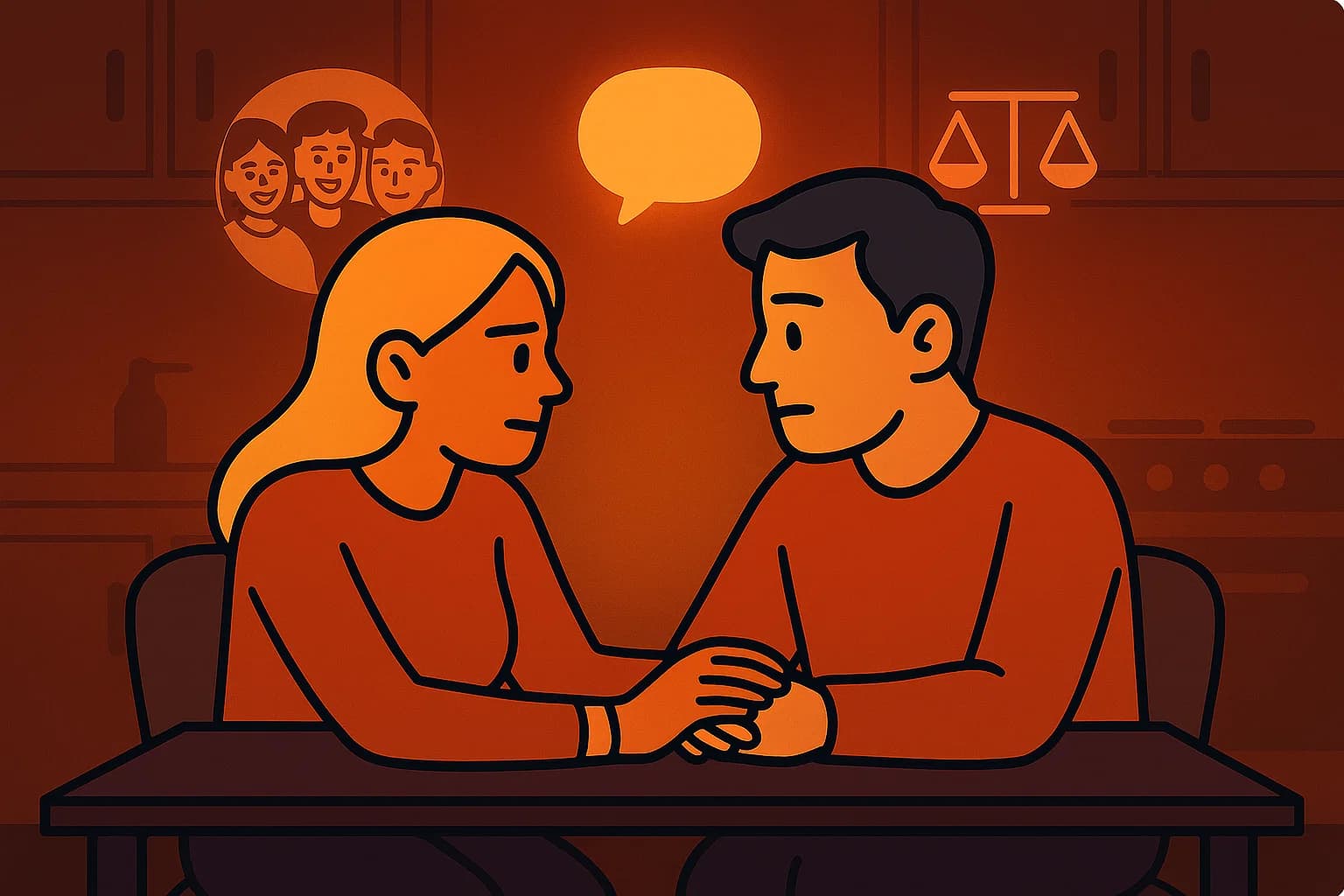
Difficult Conversations
When raising concerns:
- Prepare with clarity and calm.
- Focus on impact (“I feel…”) instead of accusations.
- Establishboundariesaround acceptable behaviour moving forward.
Informed Decisions
Whether reconciliation, separation, or counseling, choices are yours. Consulting family law professionals ensures you know your rights.
Future of Online Dating
Looking ahead, online dating will continue to integrate AI, VR, and advanced identity verification.
This means:
- Profiles may become harder to fake.
- AI will play a larger role in matchmaking.
- Privacy options will grow stronger, but so will tools for ethical verification.
For spouses seeking transparency, this means balancing respect for privacy with the need for clarity.
Key Takeaways for 2025
- Useupdated toolslikeCheateye.aiand AI-powered profile search to find Tinder profile.
- Look forconsistent behaviour patternsrather than single suspicious actions.
- Use the“one question” techniqueto strip away defensiveness and read authentic reactions.
- Prioritizeethical searchesto protect your integrity and avoid legal risks.
- Strengthen trust throughcommunication, counseling, and clear boundaries.
This video shares quick, free ways to check if someone is on dating apps.
Learn simple steps to spot profiles and red flags.
Discovering whether your husband is on dating sites can feel overwhelming, but today’s tools, techniques, and insights make it possible to find clarity without losing integrity.
Focus on ethical methods, open communication, and professional support when needed. Whether you confirm suspicions or not, the process can become a turning point toward rebuilding trust, setting boundaries, or making empowered decisions about your future.